
Replace a Complete Dental Arch
Full Arch Dental Implants
Learn about fixed and removable full-arch options. Book Now
Replace a Complete Dental Arch
Learn about fixed and removable full-arch options. Book Now
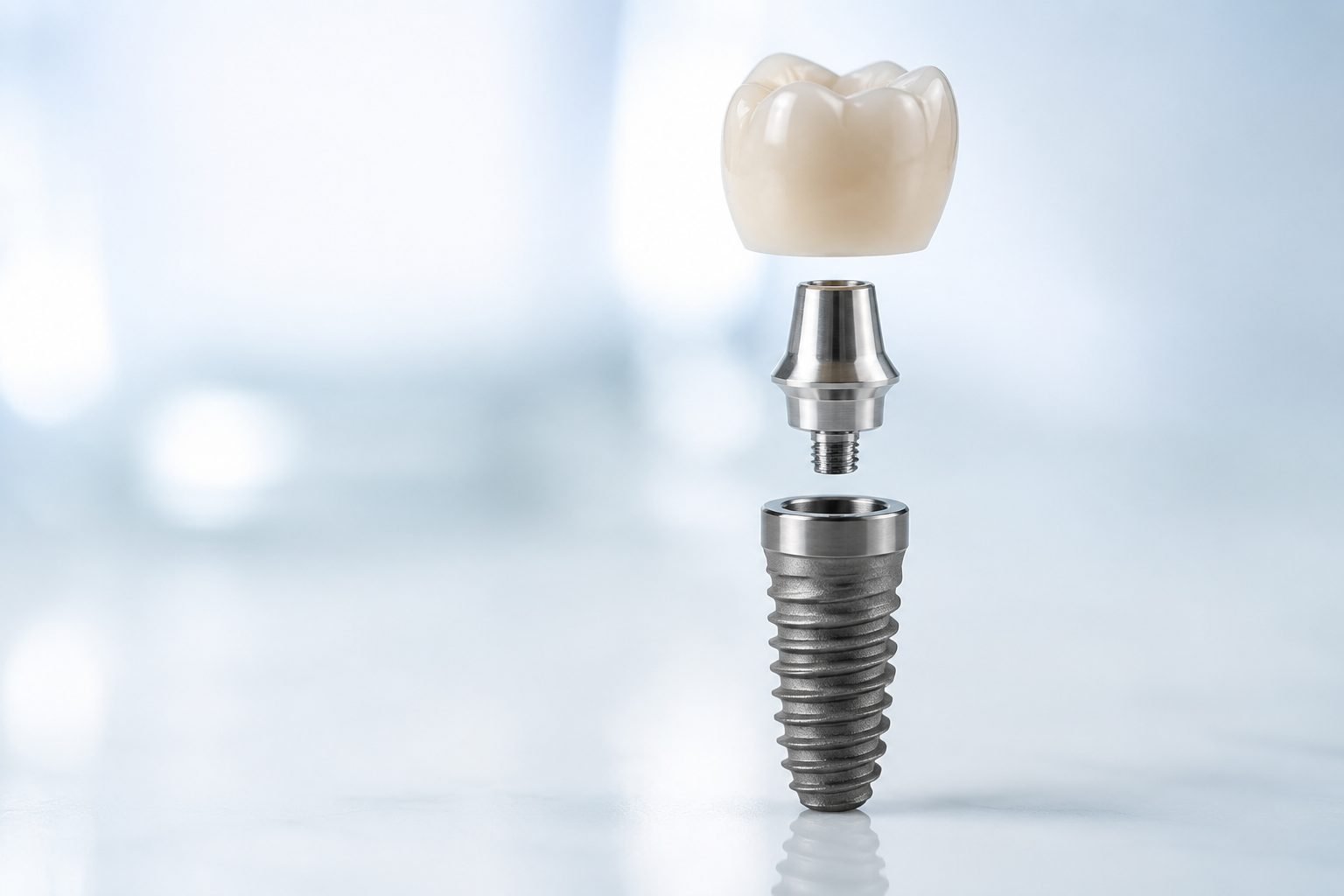
Full arch dental implants are used when an entire upper or lower row of teeth needs to be replaced. Instead of placing one implant for every missing tooth, a planned group of implants can support a larger restoration spanning the full arch.
Full-arch treatment can be fixed or removable depending on the implant design and restoration selected. Important planning considerations include available bone, the space between the jaws, bite forces, smile display, cleaning access, existing dentures, and whether any teeth need to be removed.

The phrase full arch covers several implant-supported designs. Some are fixed and removed only by a dental professional when necessary, while others attach securely to implants but can be removed by the patient for cleaning. The most suitable option depends on clinical findings and personal priorities.
A fixed full-arch bridge is secured to implants and remains in place during everyday use. Design choices can vary based on implant position, available space, restorative materials, and hygiene needs.
An implant overdenture attaches to implants for improved retention but can be removed for daily cleaning. It may be appropriate for patients who prefer or need a removable design.
Temporary teeth may be used during healing. Whether they can be fixed immediately depends on implant stability and the treatment protocol selected for the case.
Available bone influences implant number and placement. In some cases, additional procedures or an alternate implant configuration may be recommended.
A full-arch restoration must be designed with cleaning in mind. Patients should receive clear instructions for maintaining the areas around implants and under the restoration.
| Service | Estimated Cost | Average |
|---|---|---|
| Removable implant-supported arch | $8,000–$20,000+ | About $14,000 |
| Fixed implant-supported arch | $18,000–$35,000+ | About $25,000 |
| Additional extractions or bone procedures | $500–$6,000+ | Varies by case |
These ranges are for general planning only. The final fee depends on implant number, restoration design, materials, surgery, preparatory procedures, anesthesia or sedation, and other case-specific factors.

We explain the practical differences between full-arch designs so you can understand how each option functions and is maintained.
Implant positions should support the intended final teeth, bite, speech, hygiene, and appearance.
Long-term success depends partly on keeping implant restorations clean and attending regular professional evaluations.
Explore full-arch implant options for your upper or lower teeth with an individualized evaluation. [CTA:book]
Free — no obligations
Evaluate the teeth, bone, gums, bite, denture history, and goals for the upper or lower arch.
Compare fixed and removable options and determine which approach may fit the clinical situation.
Plan extractions, implant placement, and any additional procedures that may be necessary.
Place the planned implants and provide an appropriate temporary tooth solution when indicated.
Monitor tissue healing and implant stability before the final restoration is completed.
Deliver the final restoration and establish home-care and professional maintenance routines.